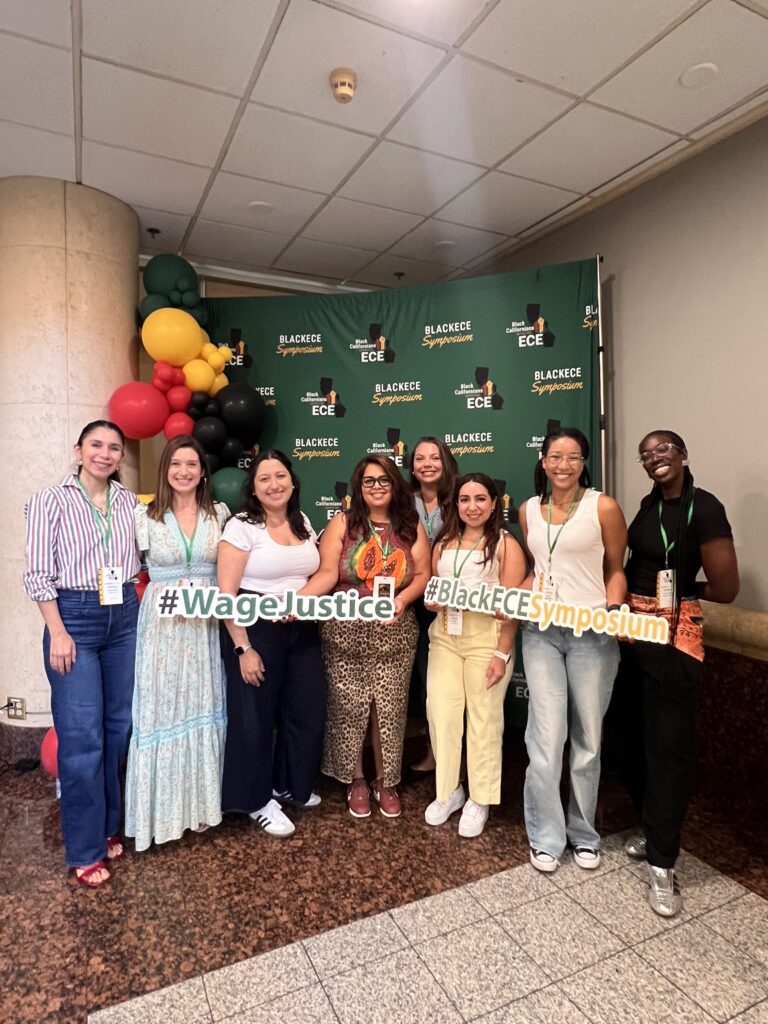

What does it look like to build an early care and education (ECE) system that doesn’t just serve Black children – but sees them, celebrates them, and is designed with their brilliance in mind?
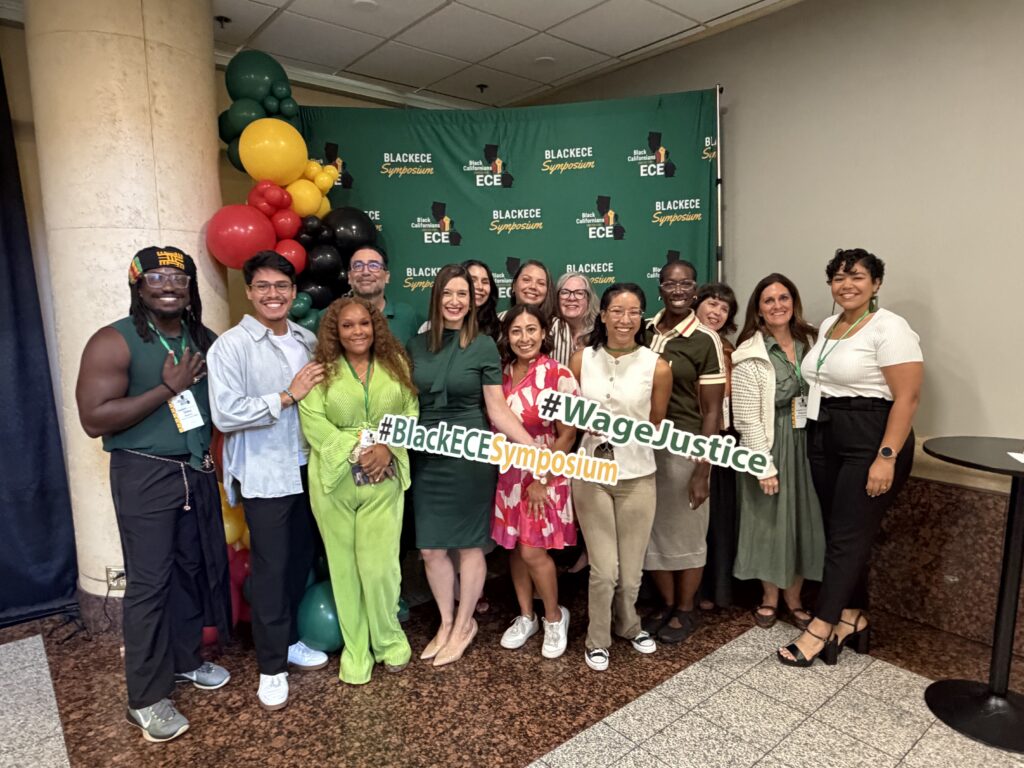
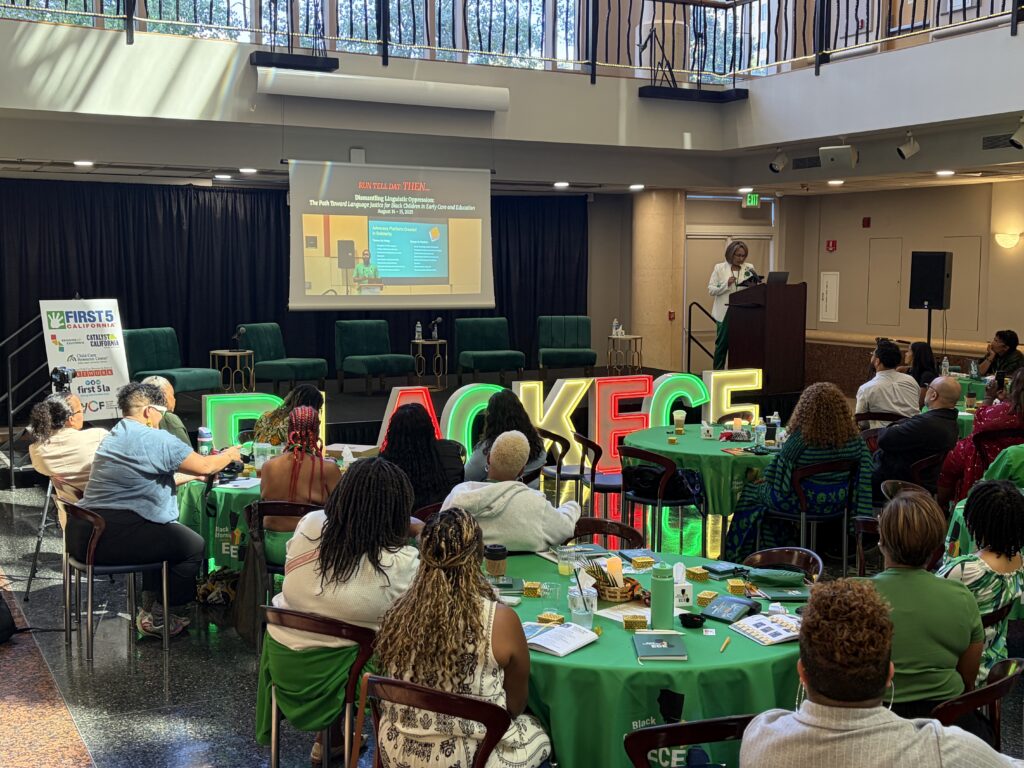
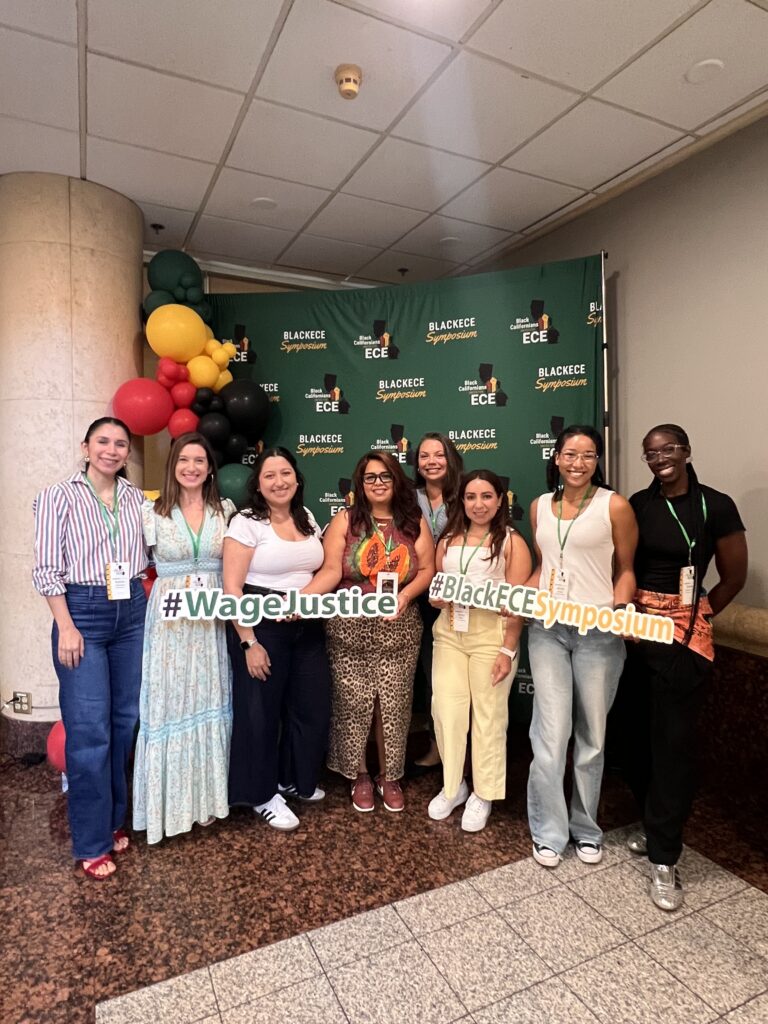
This question was at the heart of this year’s BlackECE Symposium, hosted by Black Californians United for Early Care and Education (BlackECE) in Sacramento. This year’s theme, “We Are the Return: Culture, Capital & Economic Justice in Early Care and Education,” brought together early childhood educators and advocates for two days of learning, reflection, joy, and an honest examination of what California’s Black children need to thrive.
The hard reality is California’s ECE systems were not designed to benefit Black children, and building something better requires us to rethink the systems themselves. This year’s symposium allowed attendees to do just that.
Throughout the symposium, speakers challenged attendees to consider what ECE transformation could look like. Conversations explored the importance of Black educators in the classroom, racial wage justice, reparations, culturally affirming education, and language justice. The symposium sessions pushed us beyond asking whether Black children have access to early learning and to consider several more lasting questions. Do Black children enter spaces that recognize their culture as an asset? Do they see themselves reflected in their educators and learning environments? Are the people caring for them valued and compensated accordingly?
The symposium made space for attendees to practice Black cultural affirmation through song, dance, poetry, and play. There were moments intentionally devoted to Black joy alongside difficult conversations about racism, inequity, historical harm, and reparations. Those moments serve as an important reminder that culture and community are not extras in the pursuit of equity; culture is what protects us, and Black joy is part of the solution.
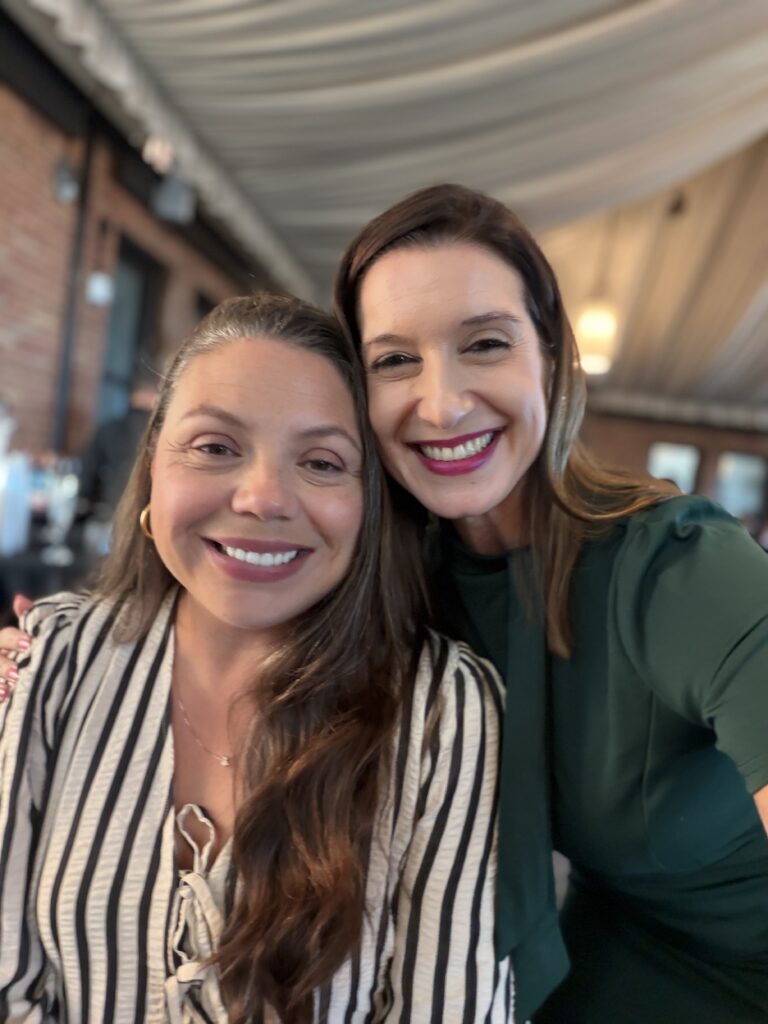
The two-day symposium resonates deeply with work happening across The Children’s Partnership and our shared work with BlackECE through the Bringing Up California coalition. One example is TCP’s work on protective factors, where we have been exploring the people, relationships, and systems that help young children and families thrive. Cultural identity, belonging, connection, and supportive relationships are part of the environments we must protect and strengthen as foundations for healthy child development. We are fortunate to have BlackECE as such a strong partner in our child equity work.
To learn more about these efforts, check out these resources:
- Register for 2027 BlackECE Symposium: Sankofa Strong: Roots, Reflection, Rise
- BlackECE Symposium resources
- Black family culture kits